
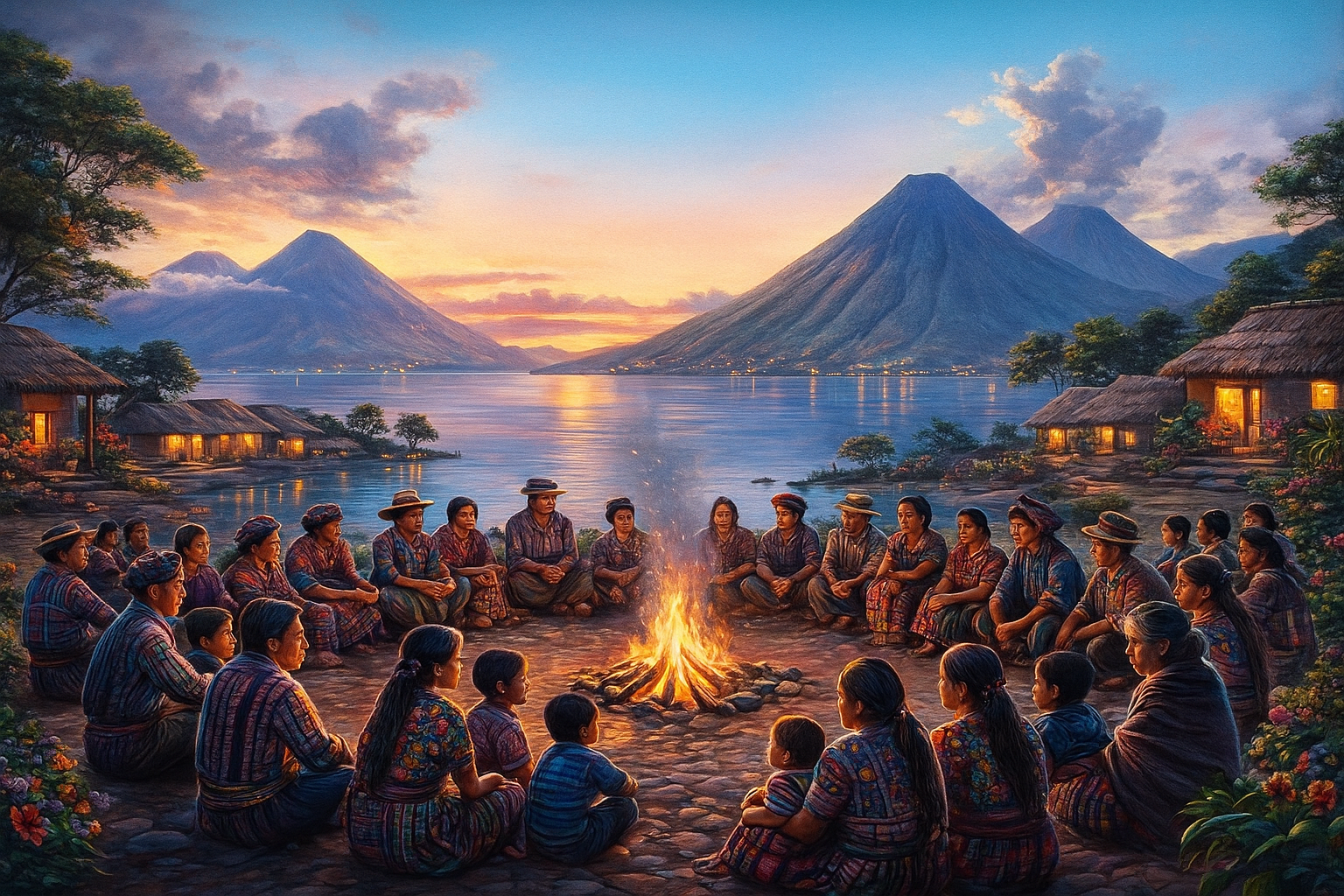
Relational Placemaking: A Council on Land, Power, and Relationship
A practical lens for understanding power, place, and the patterns we carry
Many of us come to this work with vision and hope, dreaming of villages, sanctuaries, and thriving communities grounded in care. But without slowing down to understand place, even well-intentioned projects can unintentionally echo the same colonial patterns that shaped the past and still influence the present: land claimed without consent, economic structures that position locals as labor rather than partners, and models of “helping” that overlook the deep intelligence already living in the territory.
Relational placemaking begins with recognizing the patterns we carry both individually and collectively. Together we’ll explore three common ways we enter land and community — and what each reveals about our alignment with village practice.
Colony: arriving with purpose but not consent; bringing solutions without listening.
Settlement: establishing stability and infrastructure, but still maintaining directional control.
Village: shared goals, shared authority, shared wellbeing; people working with each other, not for each other.
Through guided reflection and clear examples, you’ll learn to identify where your project sits within these patterns and how to shift toward relational village-building, where:
-
clean water, food sovereignty, ecological integrity, and cultural continuity guide the design
-
livelihoods are shared in reciprocity, not outsourced or extractive
-
locals, Indigenous communities, and newcomers co-create the future with aligned purpose
-
wellbeing becomes the center of governance, not an outcome at the margins
This is not a call-out; it’s an invitation into deeper alignment with the land we choose to inhabit and the people who already hold relationship with it.
Event Attendees
No attendee found! Be the first one to book!
Responses